When it comes to protecting your small business, insurance is not just a safety net—it’s a vital piece of your business strategy. Imagine running a small bakery, and a customer slips and falls on a wet floor. Without the right insurance, your dream business could crumble under the weight of a lawsuit. That’s where understanding the nuances of small business insurance comes into play. This guide is your go-to resource for navigating the world of insurance, ensuring you’re covered when it matters the most.
At Backlinko, we know how crucial it is for small businesses to have the right insurance coverage. From liability to property to worker’s compensation, each policy type has its specific role in safeguarding your entrepreneurial journey. This comprehensive guide breaks down the essentials, offers real-world examples, and equips you with strategies to not only protect your business but to thrive with confidence.
Understanding Small Business Insurance Needs
Did you know that nearly 40% of small businesses have never been insured? That’s a risky move when the right insurance policy could save your business from disaster.
Small business insurance isn’t just a safety net—it’s a lifeline. Let’s break down the different types of policies you’ll need to keep your operation running smoothly.
The Different Types of Small Business Insurance Policies
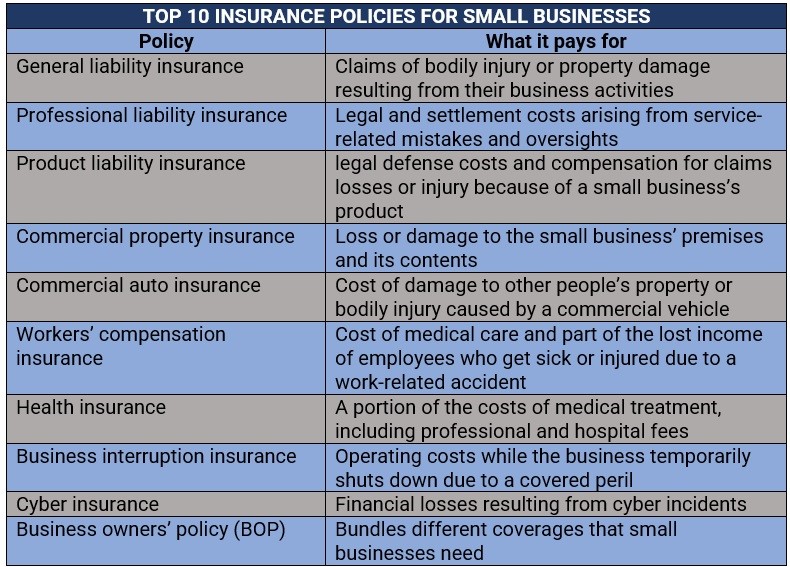
When it comes to protecting your business, you have options. The three main types of insurance you should consider are Liability, Property, and Worker’s Compensation. Each serves a unique purpose and caters to different business needs.
Liability insurance is a must if you’re worried about legal claims. Property insurance covers your physical assets, like buildings and equipment. And Worker’s Compensation? It protects your employees in case of work-related injuries.
Examples of Businesses Benefiting from Various Insurance Policies
Different businesses have different needs. For example, a tech startup might prioritize Liability Insurance to cover against data breaches. A retail store, on the other hand, would benefit from Property Insurance to protect its inventory. And a construction company? They can’t skip on Worker’s Compensation for their on-site staff.
Comparison of Insurance Types
| Insurance Type | Best For | Coverage |
|---|---|---|
| Liability | Tech Companies, Consultants | Legal claims and liability issues |
| Property | Retail, Manufacturing | Physical assets like buildings and equipment |
| Worker’s Compensation | Construction, Manufacturing | Employee injuries and accidents |
Factors Influencing Insurance Needs for Small Businesses
Here is the deal: not all businesses have the same insurance needs. Factors like your industry, business size, and location can heavily impact what policies you should prioritize. If you’re a small business owner in a high-risk industry, insurance is not just recommended—it’s essential.
Pro Tip: Always consult with an insurance expert to tailor your coverage to your specific business needs.
Importance of Liability Insurance for Small Businesses
Did you know that 40% of small businesses face a liability claim within the first ten years? That’s a staggering number.
Without liability insurance, your business is like a sitting duck. One slip-up, and you could be forking over thousands of dollars in legal fees or damages. Here’s the deal: liability insurance protects your business when things go awry.
Scenarios Where Liability Insurance Saves the Day
Let me paint a picture for you. Imagine a customer slips in your store and breaks their arm. Or a product you sold turned out to be defective, causing property damage. These aren’t just “what-ifs” – they’re daily realities for business owners.
With liability insurance, you’re covered when the unexpected happens. Here’s a quick rundown of key situations where liability coverage is crucial:
- A customer gets injured on your premises.
- Your product causes harm or damage.
- Your employee damages a client’s property.
- You face advertising or copyright infringement claims.
These scenarios can quickly spiral out of control without the right insurance. But with coverage in place, you can focus on growing your business instead of worrying about potential lawsuits.
Legal Implications of Uninsured Liabilities
Operating without liability insurance isn’t just risky – it’s a legal minefield. If someone sues your business and you’re not insured, you could face crippling legal fees, settlements, or even bankruptcy.
Moreover, certain industries require you to have liability coverage by law. So, not having it could mean not only financial ruin but also legal penalties.
| Without Liability Insurance | With Liability Insurance |
|---|---|
| Risk of personal asset seizure | Protection of personal assets |
| High legal and settlement costs | Insurance covers legal expenses |
Pro Tip: Always review your policy to ensure it covers the most common risks in your industry.
Crafting a Cost-Effective Insurance Plan
Are you overpaying for your business insurance? Many small businesses are, and they don’t even know it. Let’s break down how you can create an insurance plan that fits your budget without sacrificing essential coverage.
Insurance can feel like a maze of policies and premiums. BUT with the right approach, you can navigate it without breaking the bank. Here’s the deal: you need a clear strategy to tailor your insurance plan specifically for your business needs.
Designing an Insurance Plan on a Budget
First things first, evaluate what your business truly needs versus what’s nice to have. This is crucial because an over-insured business wastes money on premiums. Step #1: List every possible risk your business faces. Step #2: Categorize these risks into high, medium, and low priority.
Now, identify which policies will cover these high-priority risks most effectively. Remember, less is more: focus on must-have policies first.
Evaluating Coverage for Startups
Startups are unique and so are their insurance needs. Here’s how you evaluate the necessary coverage:
- Conduct a risk assessment specific to your industry.
- Compare the risks with the potential financial impact on your business.
- Prioritize policies that protect against the most financially damaging risks.
By concentrating on essential coverage, you save money and protect your business effectively.
Comparing Costs vs. Benefits
Is that extra policy really worth the cost? Check out this simple comparison:
| Insurance Type | Cost | Benefit | Value |
|---|---|---|---|
| General Liability | $500/year | Covers legal fees, settlements | High |
| Property Insurance | $1,000/year | Protects physical assets | Medium |
| Cyber Insurance | $750/year | Data breach protection | High |
By laying out the costs against the benefits, you can make informed decisions about what to include in your plan.
Strategies to Negotiate Better Premiums
Did you know you can often negotiate your premiums? Here’s how:
- Bundle policies with the same provider for discounts.
- Maintain a good claims history to leverage for lower rates.
- Regularly review and adjust your coverage to ensure it’s up to date.
Pro Tip: Don’t hesitate to shop around. Insurance providers often have different pricing strategies, so comparing quotes from multiple companies can save you a significant amount.
By following these strategies, you ensure that your insurance plan is not only cost-effective but also perfectly tailored to your business needs.
The Role of Insurance Brokers in Securing Business Insurance

Did you know that over 40% of small businesses face risks that insurance can cover, but don’t have any coverage at all? Shocking, right? That’s where insurance brokers come in.
These professionals can be your secret weapon in navigating the complex world of business insurance. Let’s dive into why you might want one on your team.
Advantages of Hiring an Insurance Broker
When it comes to shopping for insurance, going solo might mean missing out on key benefits. Brokers have access to a wide network of insurers, offering you options you didn’t even know existed. The best part? They work to understand your specific needs and tailor solutions just for you.
Here’s the deal: brokers can often secure better rates than if you went directly to an insurer. They know the insider tricks that can save you serious cash.
How Brokers Assist in Finding the Best Deals
Brokers are like your personal insurance detectives. They dig deep into the marketplace to find insurance plans that match your risk profile and budget. Let’s look at a few examples.
For instance, if you’re a tech startup, your broker might find a specialized policy that covers cyber threats and data breaches—something a general policy might miss. Or, if you run a food truck, they might pinpoint a plan that covers liabilities specific to mobile food vendors.
Pro Tip: Always ask brokers for case studies or references to gauge their success rate in securing great deals.
Selecting an Experienced Broker for Your Small Business
Not all brokers are created equal. So, how do you pick the right one? Here’s a quick guide:
- Check their credentials and expertise in your industry.
- Ask about their network of insurance providers.
- Inquire about their track record with businesses similar to yours.
- Ensure they have a transparent fee structure.
Effective Collaboration Tips with Brokers
To make the most of your broker-client relationship, keep these tips in mind:
- Communicate your business needs clearly.
- Be open about your budget constraints.
- Schedule regular check-ins to review your coverage.
- Provide feedback on services to improve the partnership.
Managing Risks with Business Insurance
How can small businesses tackle risks head-on without breaking the bank? Simple: smart use of business insurance. But here’s the kicker—many small businesses overlook it.
Insurance isn’t just about protection; it’s about strategic risk management. By carefully selecting policies, you can shield your business against unforeseen events. Let’s dive into how you can assess and mitigate potential risks.
Assessing and Mitigating Potential Risks
First, identify what could go wrong in your business. Sounds scary? It doesn’t have to be. Step #1: List out all possible scenarios that could negatively impact your operations. Think natural disasters, theft, or lawsuits.
Step #2: Evaluate how each risk affects your business. Would a flood cripple your production line? Could a lawsuit drain your finances? Knowing this will help you prioritize which risks to insure against.
Here’s the deal: Not all risks are created equal. Some are more likely to happen than others. Step #3: Calculate the likelihood and potential impact of each risk. Prioritize those with the highest probability and impact.
Pro Tip: Insurers often provide risk assessment tools to help you figure this out.
Framework for Risk and Insurance Solutions
Creating a framework to categorize risks can streamline your decision-making process. Here’s a simple table to get you started:
| Business Risk | Potential Impact | Insurance Solution |
|---|---|---|
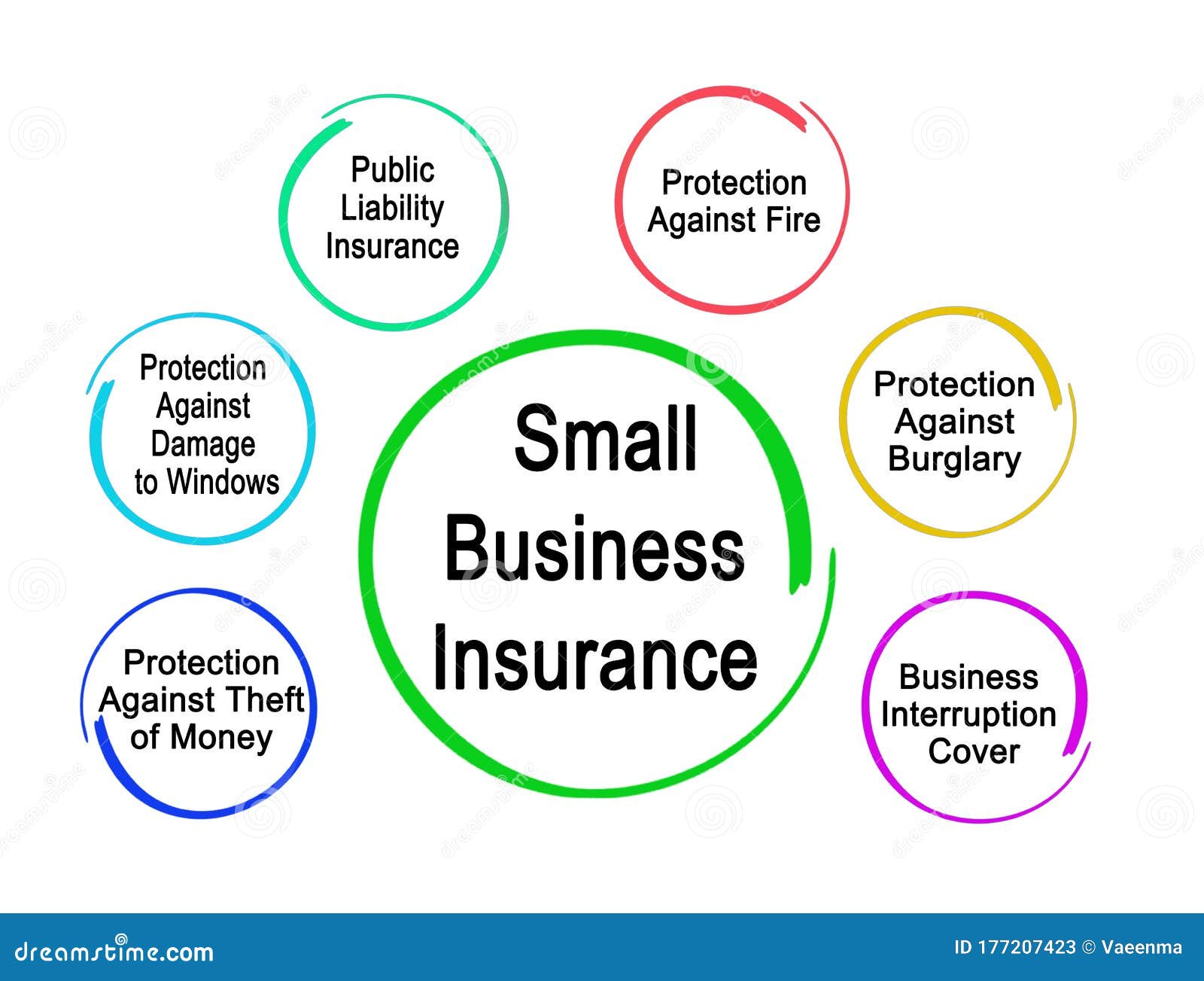
| Natural Disasters | High | Property Insurance |
| Theft or Vandalism | Medium | Commercial Crime Insurance |
| Product Liability | High | Liability Insurance |
| Employee Injury | Medium to High | Workers’ Compensation |
Correlation Between Risk Management and Insurance Costs
Here’s the bottom line: Effective risk management can lower your insurance premiums. Why? Because insurers see well-managed businesses as less risky. Step #1: Implement safety protocols and training. Step #2: Regularly review your risk management strategies.
Insurance companies love businesses that proactively manage risks. It means fewer claims and lower payouts for them. And yes, it translates into better rates for you. So, stay on top of your risk management game.
Real-Life Case Studies of Small Business Insurance
Have you ever wondered what would happen to your business if disaster struck? It’s a terrifying thought, but some businesses have faced this reality head-on and emerged stronger. Let’s dive into real-life tales where insurance was the hero.
From fires to floods, and everything in between, these small businesses were covered because they had the right insurance. But what lessons can we learn from their experiences?
Case Study: The Bakery That Rose Again
When a fire ravaged a local bakery, it looked like the end of the road. But because the owner had a comprehensive business insurance policy, they received a payout that covered not only the damages but also the loss of income during rebuilding. The bakery reopened in just four months! This case underscores the importance of having business interruption coverage.
“Without insurance, we would have been closed for good. It gave us a lifeline to start anew.” – Bakery Owner
The key takeaway? Don’t skimp on coverage. Ensure your policy includes protection against potential business interruptions.
Case Study: The Flooded Tech Startup
A promising tech startup faced catastrophe when unexpected flooding destroyed their equipment. Thanks to their all-risk policy, they recouped the cost of their hardware quickly. This quick recovery meant they didn’t lose valuable clients or projects, highlighting the need for comprehensive coverage.
“Insurance saved us, plain and simple. We could refocus on what we do best—innovating.” – Tech Startup CEO
Here is the deal: Having a policy that covers a wide range of risks can be the difference between closing shop and continuing to thrive.
Case Study: Retail Store’s Lesson in Liability
A slip-and-fall accident could have bankrupted a family-owned retail store. But, their liability insurance handled the medical costs and legal fees. This safeguard allowed them to maintain their reputation and continue operating without financial strain.
“Our insurance didn’t just protect us financially; it protected our relationship with our customers.” – Retail Store Owner
Pro Tip: Always evaluate your liability coverage amount. It might seem like an unnecessary expense until you actually need it.
Lessons Learned: How Insurance Decisions Impact Business Growth
These stories highlight a crucial lesson: the adequacy of insurance coverage is vital. Businesses that plan for the worst can not only survive but thrive post-crisis. The long-term impact of having a comprehensive insurance plan means stability and growth.
Successful businesses don’t leave things to chance. They invest in insurance coverage that aligns with their specific risks and threats. Will you be ready when disaster strikes?
Conclusion
In the dynamic world of business, risks are inevitable, but they don’t have to be your downfall. Armed with the right insurance knowledge and coverage, you can turn potential threats into manageable challenges. Remember, investing time in understanding your insurance needs today can lead to greater stability and success tomorrow. Ready to take charge of your business’s future? Your insurance policy might just be the best business partner you have.
Common Queries
What are the key types of insurance policies for small businesses?
Liability, property, and worker’s compensation are the three main types of insurance policies crucial for small businesses.
Why is liability insurance important for small businesses?
Liability insurance protects businesses from financial loss due to lawsuits from injuries, accidents, or negligence claims.
How can I craft a cost-effective insurance plan?
Start by evaluating your business needs, compare different policies, and negotiate for better premiums to fit your budget.
What role do insurance brokers play in securing business insurance?
Insurance brokers help you find the best deals and tailor insurance plans that match your specific business needs.
How does business insurance help in managing risks?
It provides a safety net, allowing you to focus on growth while being protected from unforeseen financial setbacks.
