Understanding Errors and Omissions Insurance in Washington State: What You Need to Know

Picture this: You’re a professional in Washington State, dealing with clients, projects, and deadlines. Everything is going smoothly until a client claims there was a mistake in your work. Yikes! That’s where Errors and Omissions Insurance comes into play. This essential coverage shields you from the financial fallout of alleged errors, omissions, or negligence in your professional services.
In the Evergreen State, where the business landscape is as dynamic as its scenery, understanding the ins and outs of Errors and Omissions Insurance isn’t just wise—it’s crucial. Whether you’re a consultant, a real estate agent, or in any other profession that offers specialized advice or services, having this insurance is like having a safety net for your business. Let’s dive deeper into why this coverage matters and how it can safeguard your professional reputation and peace of mind.
Understanding Errors and Omissions Insurance
Did you know that one lawsuit can wipe out a small business? It’s true. That’s where Errors and Omissions Insurance (E&O) comes in. Think of it as your safety net against costly mistakes.
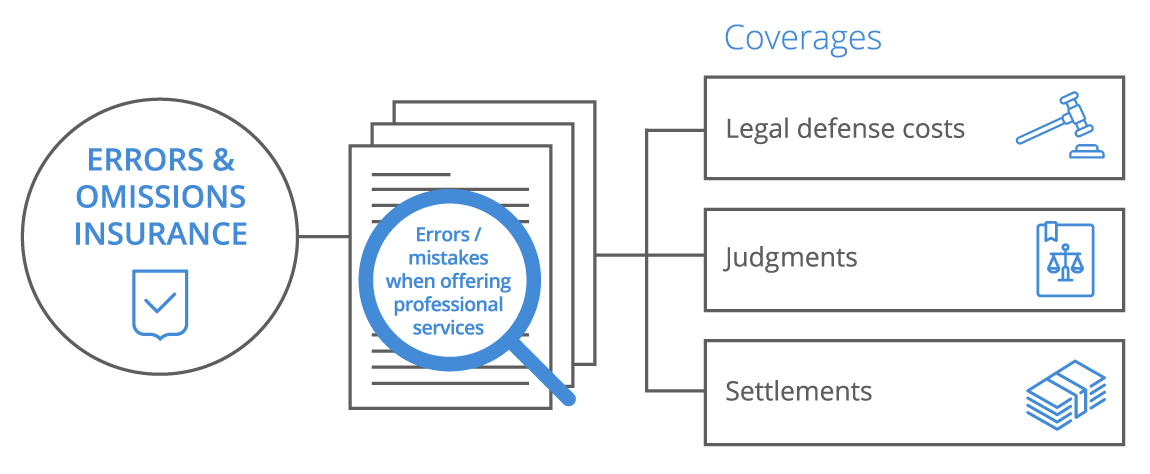
E&O insurance is designed to protect businesses and professionals against claims of negligence or inadequate work. In Washington State, this policy covers you if a client alleges you made an error or failed to deliver on a promise. This isn’t just for big corporations. Independent consultants, real estate agents, and IT professionals all need this coverage.
Who Needs Errors and Omissions Insurance?
If you provide a service or advice, you’re a candidate for E&O insurance. We’re talking about everyone from financial advisors to marketing consultants. Even hairstylists can benefit. Why? Because a single oversight can lead to a lawsuit. And without coverage, you could end up paying out of pocket.
Imagine this: A consultant suggests a strategy that inadvertently causes a client financial loss. Without E&O insurance, that consultant could be liable for damages. Painful, right?
Scenarios Highlighting the Importance of E&O Insurance
Picture this: You’re a software developer who promised a bug-free application. But a mistake caused a major client issue. Here’s the deal: They’re suing, and you’re on the hook for damages. This is where E&O insurance steps in to save the day.
Or consider a real estate agent who misses a critical deadline, resulting in a client’s lost deal. Without the proper insurance, that agent faces legal and financial repercussions. Scary stuff.
Legal Consequences of Skipping E&O Insurance
Not having E&O insurance in Washington State can be a ticking time bomb. If a client files a lawsuit, you could be responsible for legal fees, settlements, and more. It’s not just about paying for mistakes. It’s about safeguarding your business’s future.
Pro Tip: Even if you think your work is flawless, clients may not agree. Always protect yourself with E&O insurance.
Key Features of Errors and Omissions Insurance Policies

Ever wondered what protects your business from costly professional mistakes? That’s where Errors and Omissions Insurance comes into play. It acts as a financial safety net when things don’t go as planned.
Here is the deal: Understanding the key components of an E&O policy can save you from unexpected legal headaches. These policies cover different aspects like legal defense costs, settlements, and even some judgments. But not all policies are created equal.
Essential Components of E&O Insurance Policies
Every E&O policy includes several standard features, but knowing the nuances can be a game-changer. First, there’s the coverage limit—the max amount the insurer will pay for a claim. Then, you have the deductible, which is what you pay out-of-pocket before insurance kicks in. Look out for the retroactive date; coverage is only for incidents after this date. And don’t forget about the claims-made policy nature, meaning the claim must be made while the policy is active.
Pro Tip: Ensure your policy includes “tail coverage” to protect against claims made after the policy ends.
Comparison of E&O Policy Options
Choosing the right E&O policy can be overwhelming. To simplify, here’s a comparison table that breaks down the differences between basic, standard, and premium options.
| Feature | Basic | Standard | Premium |
|---|---|---|---|
| Coverage Limit | $500k | $1M | $2M |
| Deductible | $5,000 | $2,500 | $1,000 |
| Legal Defense | Included | Included | Included |
| Retroactive Date | Limited | Moderate | Extended |
Claims Process for E&O Insurance
When an incident occurs, the claims process can feel daunting. Step #1: Notify your insurer immediately; delays can jeopardize your claim. Step #2: Gather all related documents and evidence. Insurers will require detailed records to process your claim. Step #3: Work with the insurance adjuster—communication is key to a smooth process. The insurer will handle legal defense and negotiate settlements on your behalf.
Common Exclusions in E&O Policies
But hold on—E&O policies have exclusions you need to know. Common ones include intentional misconduct, which means fraudulent or dishonest acts aren’t covered. Also, bodily injury and property damage are typically excluded; those require different types of coverage. Finally, contractual liabilities—any liabilities assumed under a contract are often not covered.
Costs and Factors Influencing Premiums
How much are you really paying for peace of mind? When it comes to errors and omissions insurance, the cost can vary wildly. Let’s dive into what drives those premium numbers.
The price tag on your errors and omissions insurance isn’t just a random number. It’s driven by several key factors. From your industry type to your company’s claims history, each element plays a role in shaping your premium.
Factors Contributing to the Cost of Errors and Omissions Insurance
Insurance companies don’t just roll the dice when setting your premium. They look at specific factors to determine the cost. These include your business’s size, location, and revenue. The more risk they perceive, the higher your premium.
One major factor? Your industry type. For example, if you’re in the tech industry, you might pay more than someone in consulting due to the potential for costly data breaches.
Here’s the deal: your previous claims history can also heavily influence your premiums. A history filled with claims can send your costs skyrocketing.
How Industry Type Affects Insurance Premiums
Not all industries are created equal in the eyes of insurance providers. Some are considered higher risk than others, which means they come with higher premiums. For example, financial advisors and real estate professionals often face steeper costs. Why? Because they deal with sensitive financial information and high-stakes transactions.
In contrast, a graphic designer might see lower premiums due to the less risky nature of their work. Your industry matters.
Ways to Reduce Premium Costs
Want to save some cash on your premiums? Here’s how you can potentially cut costs:
- Increase your policy’s deductible.
- Improve your risk management and training programs.
- Bundle your errors and omissions insurance with other policies.
- Shop around and compare quotes from different insurers.
Pro Tip: Regularly review and update your coverage needs. Your business evolves, and your insurance should, too.
Impact of Claims History on Future Insurance Premiums
Your claims history is like your credit score for insurance. A spotless record can mean lower premiums, while a history of frequent claims can hike them up. Insurance providers look at the number, types, and costs of your past claims.
If you’ve had multiple claims, insurers might see you as a higher risk. This perception can translate to higher premiums or even difficulty obtaining coverage. But, maintaining a claims-free record over time can help bring those costs back down.
Washington State Regulations and Requirements
Think you know all about errors and omissions insurance in Washington State? Think again. There are specific regulations you need to be aware of to ensure you’re adequately covered.
Washington State has a unique set of regulations governing errors and omissions insurance that businesses must follow. This isn’t your run-of-the-mill policy, and failing to comply can have costly consequences. But don’t worry, I’ve got you covered with all the details you need to stay on the right side of the law.
State-Specific Regulations Governing Errors and Omissions Insurance
Washington State requires certain professions, like real estate agents and insurance brokers, to carry errors and omissions insurance as a safeguard against potential lawsuits. The state mandates that these professionals maintain adequate E&O coverage to protect against claims resulting from negligence or mistakes in their professional services.
- Regulations apply to specific industries.
- Non-compliance can result in fines or loss of license.
- Regular audits ensure compliance with state laws.
Minimum Coverage Requirements Mandated in Washington State
Washington doesn’t leave you guessing about how much coverage is “enough.” The state has minimum coverage requirements that vary by industry, ensuring that both professionals and clients are protected. For example, real estate professionals might need a minimum of $100,000 per claim and $300,000 in aggregate coverage.
Here is the deal: failing to meet these minimums can result in severe penalties, including hefty fines and potential legal action. Don’t skimp on your coverage, because the last thing you want is to be underinsured when a claim hits.
State-Provided Resources for Obtaining Errors and Omissions Insurance
Did you know that Washington State offers resources to help you navigate the purchase of E&O insurance? The Washington State Office of the Insurance Commissioner provides valuable information and support for businesses seeking coverage.
Pro Tip: Use state resources to compare policies and find the best rates tailored to your industry.
The state also offers workshops and informational sessions to help you understand your obligations and options when it comes to errors and omissions insurance.
Regulatory Bodies and Their Roles in Oversight
It’s crucial to know who’s keeping an eye on your compliance. Multiple regulatory bodies oversee the enforcement of E&O insurance requirements in Washington State.
| Regulatory Body | Role in Oversight |
|---|---|
| Washington State Office of the Insurance Commissioner | Regulates insurance practices and ensures compliance with state laws. |
| Washington State Department of Licensing | Enforces licensing requirements, including insurance mandates for professionals. |
| State Auditor’s Office | Conducts audits to ensure adherence to state insurance regulations. |
Selecting the Right Insurance Provider
Choosing the right errors and omissions insurance provider is crucial. It can make or break your business protection strategy.
Here’s the deal: not all insurance providers are created equal. Some offer robust coverage with excellent customer service, while others might leave you hanging.
Criteria for Evaluating Providers
When it comes to selecting an insurance provider, you need a solid framework. Start by checking their financial stability. A provider with a strong financial rating is less likely to default on claims. Next, look at their reputation. Customer reviews and testimonials are your friends here. BUT, don’t stop there.
Check their industry experience. Providers with a history in your sector understand the nuances of your specific risks. Plus, consider their flexibility in customizing policies to fit your unique needs.
Steps for Obtaining Quotes
Getting quotes from different insurers can seem daunting. BUT, it doesn’t have to be.
- Start by listing your business’s specific needs and risk factors.
- Reach out to at least three different insurers for quotes. Provide the same information to each to ensure a fair comparison.
- Request a detailed breakdown of coverage limits, exclusions, and deductibles.
Pro Tip: Using an online comparison tool can save you time and ensure consistency in your quote requests.
Comparing Policy Features and Benefits
Once you have your quotes, it’s time to compare. Look beyond the price tag. Examine the coverage limits and exclusions. Do they cover all potential risks you identified?
Use a structured approach. Create a table to lay out the differences clearly:
| Provider | Coverage Limit | Exclusions | Deductible |
|---|---|---|---|
| Provider A | $1M | Cyber incidents | $500 |
| Provider B | $2M | Natural disasters | $1000 |
Don’t forget about additional benefits like free legal consultations or risk management advice. These can add significant value.
Customer Service Considerations
Good customer service can be a lifesaver when you’re facing a claim. Evaluate the insurer’s response time and availability. Do they offer 24/7 support?
Also, consider their communication channels. Do they provide a dedicated account manager, or are you stuck navigating a call center maze?
Finally, think about their claims process. Is it straightforward, or does it involve jumping through endless hoops?
Claims and Risk Management Strategies
Did you know that a whopping 40% of small businesses are likely to face an insurance claim in the next decade? Claims under an Errors and Omissions (E&O) policy can be intimidating, but understanding the process can save you time and money.
Here is the deal: filing a claim doesn’t have to be complicated if you take it step-by-step. From gathering documentation to negotiating settlements, knowing what to expect makes all the difference.
Steps Involved in Filing a Claim Under an Errors and Omissions Policy
Step #1: Notify your insurer immediately after a potential incident occurs. Delays can complicate your claim.
Step #2: Collect all relevant documents like emails, contracts, and notes. You’ll need a comprehensive record to support your case.
Step #3: Submit a claim form provided by your insurer. Fill it out thoroughly and accurately.
Step #4: Cooperate with the investigation. Insurers may have questions or require more information. Be prepared to respond quickly.
Step #5: Negotiate the settlement. It’s time to discuss with your insurer. Don’t accept the first offer if it doesn’t cover your losses.
Effective Risk Management Strategies to Minimize Potential Claims
No one likes dealing with claims. The best strategy? Avoid them in the first place!
Pro Tip: “Implement a robust internal audit system to catch errors before they escalate.”
Educate your team on best practices. Regular training sessions can emphasize the importance of documentation and attention to detail.
Ensure consistent client communication to manage expectations and resolve misunderstandings before they become disputes.
Best Practices for Maintaining Comprehensive Coverage
Keeping your E&O insurance up-to-date is crucial. Here’s how:
- Review your coverage annually to ensure it meets your business’s evolving needs.
- Keep detailed records of all professional activities and correspondence.
- Regularly consult with your insurance agent to address any gaps in coverage.
- Invest in quality control systems to mitigate risks and improve service quality.
The Role of Legal Assistance in Managing Claims and Disputes
When claims arise, having a legal expert on your side can be a game-changer.
Legal assistance ensures that your rights are protected and that you understand the nuances of your E&O policy during disputes.
A lawyer can help you navigate negotiations and, if necessary, represent you in court to seek the best possible outcome.
Lawyers also play a key role in drafting clear contracts that minimize the likelihood of misunderstandings that could lead to claims.
Conclusion

In conclusion, navigating the intricacies of Errors and Omissions Insurance in Washington State can be a game-changer for professionals across various industries. By understanding the coverage specifics, evaluating the right providers, and implementing smart risk management strategies, you can protect your business against unforeseen claims and legal challenges. Remember, in the world of business, being prepared is the key to thriving, not just surviving.
FAQ
What is the primary purpose of Errors and Omissions Insurance?
Errors and Omissions Insurance protects professionals and businesses from financial losses due to claims of negligence, errors, or omissions in their services.
Who needs Errors and Omissions Insurance in Washington State?
Professionals such as real estate agents, consultants, insurance brokers, and attorneys, among others, typically require this insurance to protect against potential claims.
What are some common exclusions in Errors and Omissions Insurance policies?
Common exclusions include intentional wrongdoing, fraudulent acts, and claims related to bodily injury or property damage.
How does claims history affect insurance premiums?
A history of frequent claims can increase future premiums, as insurers may view the claimant as a higher risk.
What are the legal implications of not having Errors and Omissions Insurance in Washington State?
Not having this insurance can lead to significant financial and legal consequences, including out-of-pocket costs for legal defense and settlements.