Welcome to the world of small business insurance commercials, where understanding the key elements can transform your approach to safeguarding your business. These commercials are more than just advertisements; they are a gateway to the protection and peace of mind every small business owner needs. Let’s dive into what makes these commercials tick and how they can be fine-tuned to cater to your specific audience.
At Backlinko, we know that crafting the perfect small business insurance commercial is an art form that combines storytelling, emotional appeal, and targeted messaging. Stay with us as we explore the nuances of these commercials and discover how they can make a big impact on your business strategy.
Understanding Small Business Insurance Commercials
Ever wondered what makes a small business insurance commercial truly stand out? It’s not just about flashy visuals or catchy slogans. It’s about delivering a message that resonates with your audience.
Small business insurance commercials are crafted to connect with business owners, addressing their specific needs and concerns. They paint a picture of security and peace of mind. But to achieve that, you need to understand what elements make these commercials tick.
Key Elements of Small Business Insurance Commercials
The backbone of any successful insurance ad is its clarity and relatability. You need to showcase how your insurance solutions solve real-world problems. For instance, if you’re targeting tech startups, highlight coverage for electronic assets and cyber threats. But here’s the deal: just listing features isn’t enough. You have to tell a story that resonates.
Step #1: Start with a hook that grabs attention. Maybe it’s a surprising statistic or a common fear business owners face.
Step #2: Follow up with a concise explanation of how your product directly addresses that issue. The goal is to make the viewer say, “That’s exactly what I need!”
Examples of Different Types of Commercials
There are a few different approaches you can take with small business insurance commercials. For example, testimonial-based ads where satisfied customers share their experiences are powerful. They build trust and showcase real-life applications of your insurance.
Another type is the problem-solution format, which depicts a common issue faced by businesses and shows how your policy solves it. There’s also the storytelling approach, where you narrate a day in the life of a business owner and weave in the benefits of being insured. Each type serves a different purpose, but all aim to connect emotionally with the viewer.
Addressing Specific Audience Needs
Insurance needs vary greatly between industries. That’s why it’s crucial to tailor your message to your target audience. If you’re focusing on restaurant owners, emphasize coverage for property damage and liability issues. For freelancers, highlight income protection and personal asset security.
But here’s the kicker: simply mentioning these isn’t enough. You need to show understanding and empathy. Speak their language and mirror their priorities.
Pro Tip: Use testimonials from similar industries to build credibility and show that you know your audience’s unique challenges.
Types of Coverage Highlighted in Small Business Insurance Commercials
Did you know that 40% of small businesses never reopen after experiencing a disaster? That’s why insurance commercials spotlight specific coverage types to safeguard businesses like yours from unexpected losses. But understanding these options can be a headache if you’re not familiar with insurance jargon.
These commercials don’t just pitch any insurance—they focus on what truly matters. You often see coverage for property, liability, and workers’ compensation. Here’s the deal: knowing the benefits and target audience for each can help you make smarter decisions.
Key Coverages Explained
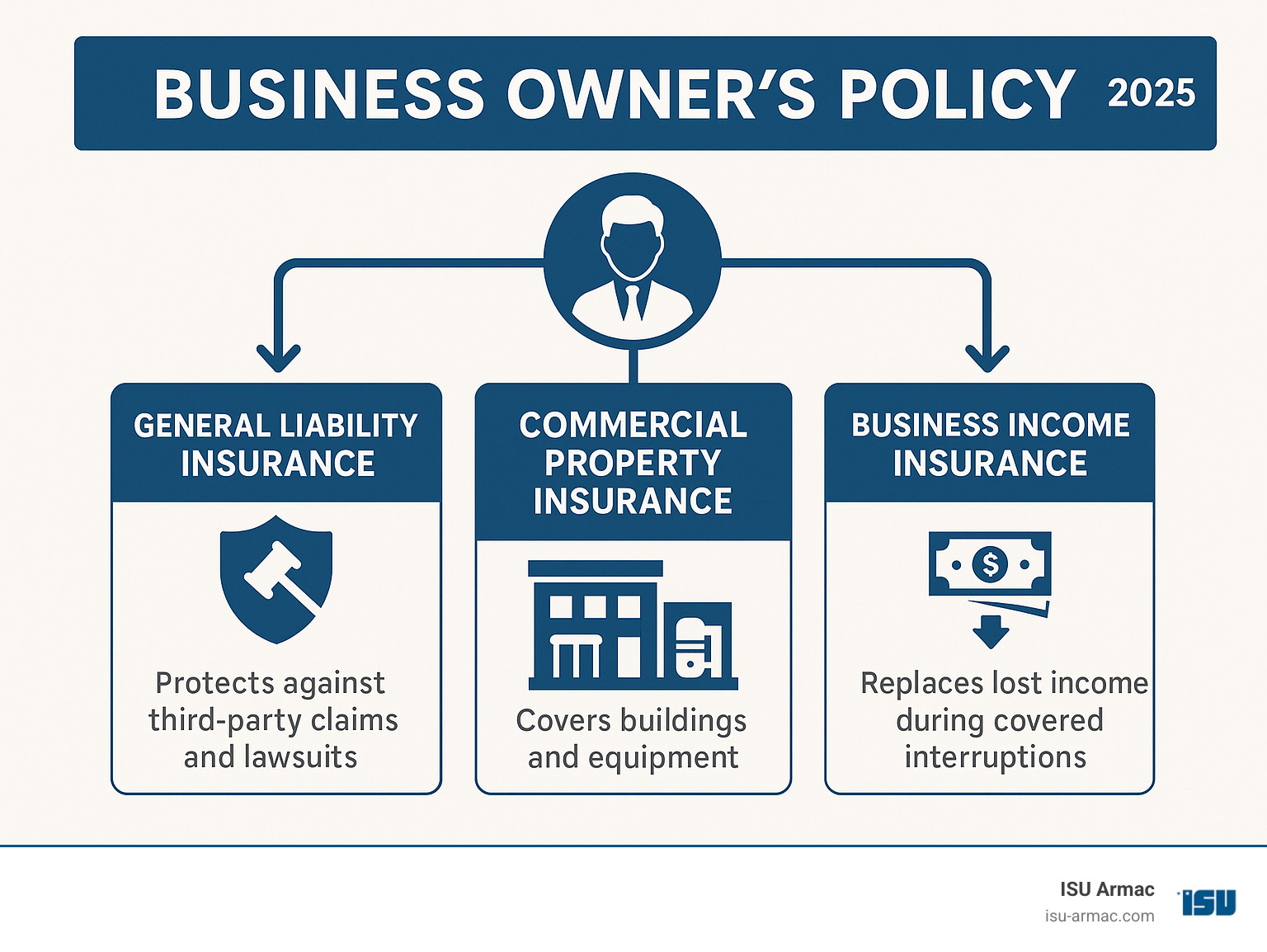
Let’s break down the three main types of coverage frequently highlighted in small business insurance commercials. Each type offers unique protections and targets different business needs.
| Coverage Type | Description | Benefits | Target Audience |
|---|---|---|---|
| Property Insurance | Protects physical assets like buildings and equipment. | Covers damages from events like fire, theft, or natural disasters. | Businesses with physical locations or significant inventory. |
| Liability Insurance | Safeguards against legal claims for injuries or damages. | Helps cover legal fees, settlements, and medical expenses. | All businesses, particularly those interacting directly with clients or customers. |
| Workers’ Compensation Insurance | Provides benefits to employees injured on the job. | Covers medical expenses and lost wages, reducing legal liabilities. | Companies with employees, especially in higher-risk industries. |
Pro Tip: Combining these coverages can offer comprehensive protection, often at a lower cost than purchasing separately.
By featuring these coverages, commercials highlight the essential protections that keep businesses running smoothly. But here’s the kicker: they also tailor their pitch to resonate with specific audiences, ensuring that you see just how each coverage fits your unique needs.
Designing Effective Small Business Insurance Commercials
Did you know that 90% of small businesses are underinsured? That’s a huge gap, and the right commercial can bridge it. But creating an effective small business insurance commercial isn’t just about listing policy features.
It’s about weaving a compelling narrative that resonates with viewers. This involves using storytelling and emotional triggers that speak directly to the challenges and aspirations of small business owners. When done correctly, these commercials not only inform but also inspire action.
Components of an Effective Commercial
First, let’s talk structure. Every effective commercial needs a hook. Something that grabs attention within the first few seconds. It could be a shocking statistic or a relatable pain point. Following the hook, the next step is clarity. Clearly articulate the benefits of your insurance, not just the features. Finally, include a strong call to action. You want viewers to feel compelled to reach out.
Here is the deal: Your commercial should not just broadcast the product details. It should create an emotional journey. By incorporating elements like empathy and storytelling, you can connect with your audience on a deeper level. Think of it as a mini-narrative that highlights the life of a small business owner facing real-world challenges and finding solutions through your insurance.
The Power of Storytelling and Emotional Appeal
Imagine a small coffee shop owner who’s just experienced a flood. They’re overwhelmed, worried about their livelihood. Then, your commercial shows how insurance provided them with a lifeline. Storytelling evokes emotion, making the benefits of your insurance tangible and relatable.
People don’t just buy insurance; they buy peace of mind, security, and the promise of support when things go wrong. By aligning your commercial’s narrative to this reality, you create a connection that goes beyond a simple transaction. Emotion is the key that unlocks engagement and trust.
Procedure for Designing a Commercial Script
Step #1: Start with identifying the core benefit of your insurance product that you’d like to highlight. Is it the comprehensive coverage? The quick claim process? Pick one compelling benefit to focus on.
Step #2: Develop a narrative around this benefit. Use a relatable scenario that your target audience can see themselves in. The goal is to make the viewer think, “That could be me.”
Step #3: Weave in emotional elements. Whether it’s relief, gratitude, or security, ensure these emotions are central to your story. Emotionally-driven stories stick longer in viewers’ minds.
Step #4: Conclude with a powerful call to action. Make it easy and clear for them to take the next step, whether it’s visiting your website or calling for a quote.
Pro Tip: Always test your commercials with a small focus group before launching. Their feedback can highlight aspects you might have overlooked.
Analyzing Target Audience for Small Business Insurance Commercials
Did you know that 90% of small businesses fail within the first five years? Shocking, right? This is why identifying the right target audience for small business insurance commercials is crucial.
Understanding your audience can mean the difference between a successful campaign and one that falls flat. You need to know who you’re speaking to and what they care about. Let’s dive into the process of determining your target audience and how to tailor your content accordingly.
Determining the Target Audience
Here is the deal: pinpointing your audience starts with research. You need to gather data on business size, industry, and location. Are you targeting startups, established businesses, or a specific niche like restaurants or tech firms? This step is crucial because one size does NOT fit all in the world of small business insurance.
Once you have the basics, dig deeper. Look at demographics like age, gender, and income levels of business owners. The more specific you get, the more effective your commercial will be.
Pro Tip: Create buyer personas to visualize your ideal customers; this helps in crafting messages that resonate.
Tailoring Content for Industry Needs
Different industries have different needs. A tech startup will have different insurance concerns compared to a retail business. You need to address these industry-specific pain points. Talk about cyber liability for tech firms or general liability for retail.
Crafting industry-specific messaging increases relevance and engagement. Remember, business owners want to know how your insurance will solve their unique problems. Speak their language and address their specific challenges.
Factors to Consider When Identifying a Target Audience
Before you finalize your target audience, consider the following factors:
- Business size and revenue
- Industry segment
- Location and regional risks
- Demographics of decision-makers
- Common industry risks and challenges
These factors will help you hone in on the right audience, ensuring your commercials are not just seen, but actually connect with potential clients.
Trends in Small Business Insurance Commercials

Are you still using the same old channels to reach your audience? You might be missing out. The world of small business insurance commercials is evolving faster than ever.
From digital platforms to personalized content, the way small business insurance companies market themselves is changing. It’s time to explore what’s working and what’s not.
Emergence of Digital Platforms
The way people consume content has changed dramatically. Social media and streaming services are the new hot spots for engaging small business owners. These platforms offer more targeted ad opportunities and lower costs compared to traditional TV or print media.
Personalized Marketing Strategies
Businesses are no longer throwing darts in the dark. With data-driven insights, insurers can craft commercials that speak directly to the specific needs and pain points of small business owners. Personalization isn’t just a trend—it’s a necessity.
Pro Tip: Use data analytics to tailor your message and hit your target audience effectively.
Trend Table
Here’s a quick snapshot of the current trends reshaping the landscape:
| Trend | Description | Impact | Examples |
|---|---|---|---|
| Social Media Ads | Promotion through platforms like Facebook and Instagram | Increased engagement and brand visibility | Geico’s Instagram campaigns |
| Video Content | Short, engaging video ads | Higher retention and recall | State Farm YouTube commercials |
| Influencer Collaborations | Partnering with industry influencers | Builds trust and authenticity | Allianz’s small business partnerships |
But here’s the deal: Ignoring these trends means leaving money on the table. It’s time to adapt and thrive in this new advertising ecosystem.
Measuring the Success of a Small Business Insurance Commercial

Are your commercials just flashy or truly effective? Measuring the success of your small business insurance commercial is crucial for ensuring your investment pays off.
Here’s the deal: simply airing a commercial isn’t enough. You need to dig into data and use specific metrics to evaluate its performance. From engagement rates to conversion tracking, knowing what to measure is key.
Key Metrics for Commercial Success
To know if your commercial is hitting the mark, focus on engagement rates. This includes metrics like view count, watch time, and share rates. Another important factor is brand recall. Are people remembering your ad a week later? Use surveys to find out.
Next, let’s talk about conversion rates. Are viewers taking the desired action after watching your ad? Whether it’s visiting your website or signing up for a quote, track these actions carefully.
Pro Tip: Combine data from different channels to get a comprehensive view of your ad’s performance.
Framework for Data-Driven Improvements
Step #1: Set clear, measurable goals before your commercial airs. What do you want to achieve? More leads? Improved brand awareness?
Step #2: Use analytics tools to track key performance indicators. Google Analytics and social media insights are a good start. Make sure you’re set up to collect data across all platforms where your ad appears.
Step #3: Regularly review the data and make adjustments. Are your engagement rates low? Consider tweaking the creative or adjusting the time slot of your airing.
Pro Tip: A/B test different versions of your commercial to see what resonates best with your audience.
Summary
In the ever-evolving landscape of small business insurance commercials, staying ahead of the trends and understanding your audience is crucial. By implementing the insights shared in this guide, you are well on your way to creating compelling commercials that resonate with your audience and drive results. Remember, the right commercial not only informs but also inspires action.
Answers to Common Questions
What are the key elements of a small business insurance commercial?
Key elements include a clear message, target audience focus, emotional appeal, and a strong call to action.
Why is it important to address specific audience needs in a commercial?
Addressing audience needs ensures the message resonates more deeply, making the commercial more effective in capturing attention and driving action.
What types of coverage are commonly highlighted in these commercials?
Common coverage types include property insurance, liability insurance, and workers’ compensation insurance.
How can storytelling enhance a small business insurance commercial?
Storytelling creates an emotional connection with viewers, making the message more memorable and impactful.
What metrics are used to measure the success of a small business insurance commercial?
Metrics such as viewership numbers, engagement rates, and conversion rates are commonly used to assess success.
